
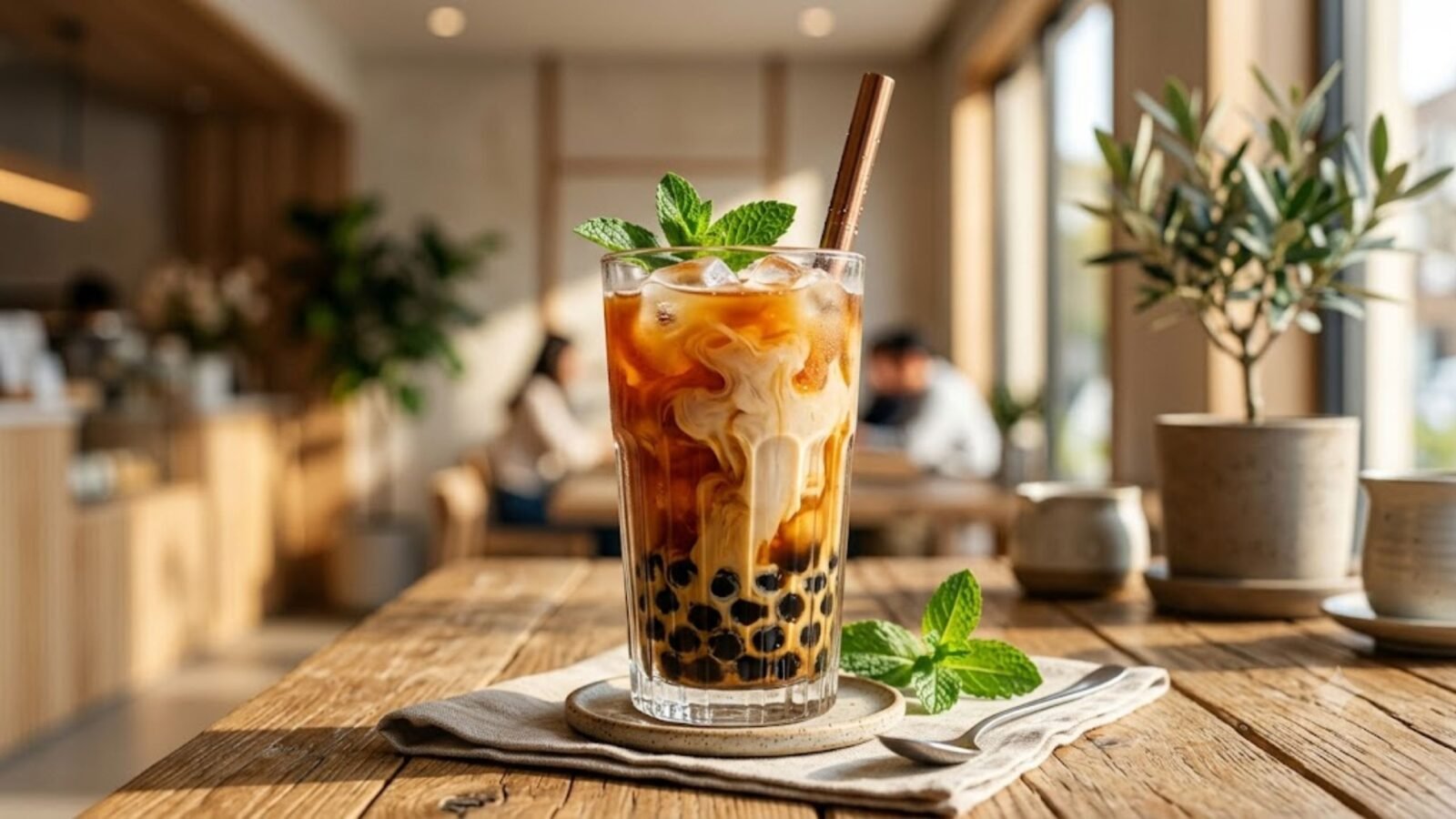

What exactly is Babeltee, and is it a new drink, a brand, or simply another name for bubble tea? The answer is more nuanced than many online articles suggest.
Interest in Babeltee has grown rapidly across search engines in 2026, yet the information surrounding the term remains inconsistent. Some websites describe it as a wellness-focused tea movement, others present it as a modern variation of bubble tea, while a few treat it as an independent beverage concept. That uncertainty has made Babeltee a rising search topic.
Rather than repeating unverified claims, it’s worth separating documented facts from internet speculation. Consumers searching for Babeltee are generally trying to answer one question: What is it, and does it actually exist as a distinct drink?
BLUF: Babeltee is currently best understood as an emerging internet term associated with modern tea culture rather than a universally recognized beverage category. Most available evidence links it to customizable tea drinks inspired by Taiwanese bubble tea, although there is no widely accepted industry definition or internationally recognized product using the name.
Babeltee at a Glance
- Category: Modern tea concept
- Primary Association: Bubble tea-inspired beverages
- Origin: No verified documented origin
- Popularity: Growing primarily through online content
- Common Ingredients Mentioned:
- Black tea
- Green tea
- Matcha
- Milk
- Fruit syrups
- Tapioca pearls (boba)
- Herbal additions
- Official Industry Standard: None currently verified
Why the Word “Babeltee” Is Appearing Across the Internet
Unlike bubble tea, whose Taiwanese origins during the 1980s are extensively documented, Babeltee lacks a confirmed historical record.
Most references published during 2026 describe the word as:
- a modern tea lifestyle concept
- a customizable beverage philosophy
- an alternative branding term connected with bubble tea
- a wellness-oriented interpretation of milk tea
What is notably absent is evidence from established beverage associations, major tea manufacturers, or academic food history sources formally recognizing Babeltee as its own beverage category.
That distinction matters because search popularity does not automatically establish culinary legitimacy.
Babeltee vs. Traditional Bubble Tea
| Feature | Babeltee | Bubble Tea |
|---|---|---|
| Official definition | No universally accepted definition | Well documented |
| Historical origin | Unverified | Taiwan (1980s) |
| Tea base | Usually tea-based | Tea-based |
| Tapioca pearls | Often included | Standard ingredient |
| Customization | Frequently emphasized | Core feature |
| Industry recognition | Limited | Global beverage category |
Bubble tea itself has become one of the world’s fastest-growing specialty beverage categories, expanding from Taiwan into North America, Europe, the Middle East, and South Asia. Its signature combination of brewed tea, milk or fruit, sweeteners, and chewy tapioca pearls remains the reference point against which newer concepts like Babeltee are compared.
The Modern Tea Culture Driving the Trend
Even if the terminology remains fluid, the consumer preferences behind Babeltee are easy to identify.
Today’s tea buyers increasingly look for drinks that offer:
- lower sugar options
- plant-based milk alternatives
- functional ingredients
- visually appealing presentation
- personalized flavor combinations
These preferences mirror broader changes in café culture, where customization often matters as much as the drink itself.
Rather than ordering one fixed recipe, customers increasingly expect control over sweetness, toppings, milk choice, ice level, and tea strength.
A Timeline of How the Conversation Has Evolved
| Period | Development |
|---|---|
| 1980s | Bubble tea develops in Taiwan |
| 2000s | Bubble tea expands globally |
| 2015–2024 | Major international growth through cafés and social media |
| 2026 | “Babeltee” begins appearing as an online descriptive term in lifestyle and SEO articles |
Current evidence suggests that the growing visibility of Babeltee has been driven more by digital publishing than by the launch of a globally recognized beverage brand.
What Ingredients Are Commonly Associated With Babeltee?
Although recipes vary considerably, most descriptions include combinations such as:
- Black tea
- Green tea
- Oolong tea
- Matcha
- Milk or oat milk
- Fresh fruit
- Honey
- Brown sugar syrup
- Tapioca pearls
- Chia seeds
- Basil seeds
- Aloe vera
- Ice
These ingredients overlap heavily with contemporary bubble tea menus while placing greater emphasis on customization and wellness-oriented options.
Editorial Perspective: The available evidence indicates that Babeltee is currently better viewed as an evolving digital descriptor than as a formally recognized beverage category. Readers should distinguish between documented tea history and marketing terminology.
Why Search Interest Continues to Increase
Several factors explain why Babeltee has attracted attention despite lacking a standardized definition.
Curiosity Around New Beverage Terms
Consumers regularly search unfamiliar food terms after encountering them on social media or lifestyle blogs.
Growth of Bubble Tea Worldwide
Global interest in Taiwanese-style beverages continues expanding, making related terminology easier to discover.
Wellness Marketing
Many articles position Babeltee alongside healthier ingredients such as herbal teas, natural sweeteners, and plant-based milk, reflecting broader consumer preferences.
SEO Amplification
Because the keyword has relatively little competition compared with “bubble tea,” publishers have increasingly produced explanatory articles around it.
Questions Readers Frequently Ask
Is Babeltee the same as bubble tea?
Not exactly. Babeltee is generally presented as a modern concept inspired by bubble tea rather than a formally recognized replacement for it. Bubble tea itself has an established history originating in Taiwan.
Does Babeltee have an official definition?
No. There is currently no internationally accepted culinary or industry definition for Babeltee.
Is Babeltee healthier than traditional bubble tea?
It depends entirely on the ingredients. Drinks using less sugar, brewed tea, and fresh ingredients may contain fewer calories than heavily sweetened versions, but there is no single nutritional profile for Babeltee.
Where did Babeltee originate?
No verified historical origin has been established. Most available references appeared online during 2026 and connect the term with modern tea culture rather than a specific inventor or company.
Can you make Babeltee at home?
Yes. Most recipes use brewed tea combined with milk or fruit flavors and optional toppings such as tapioca pearls, allowing for extensive customization.
Looking Beyond the Name
Whether Babeltee ultimately becomes a recognized beverage category or remains an internet-era descriptor will depend on adoption by cafés, beverage companies, and consumers. What is already clear is that the trend reflects changing expectations around tea: personalization, visual appeal, and flexibility now play as important a role as flavor.
For readers searching “What is Babeltee?”, the most evidence-based answer is straightforward. It currently represents an emerging term connected to modern tea and bubble tea culture—not a universally standardized drink with an established historical definition.
Sources & Verification
- Twinings – What Is Bubble Tea?
- Wikipedia – Bubble Tea
- Mary Berry Recipes – Babeltee Recipe
- BoBoQ Europe
Editorial Disclaimer
This article is based on publicly available sources published at the time of writing. Where authoritative industry definitions or historical documentation are unavailable, the article clearly distinguishes verified facts from emerging online terminology and avoids presenting speculation as established fact.
